Xiaohua Liu
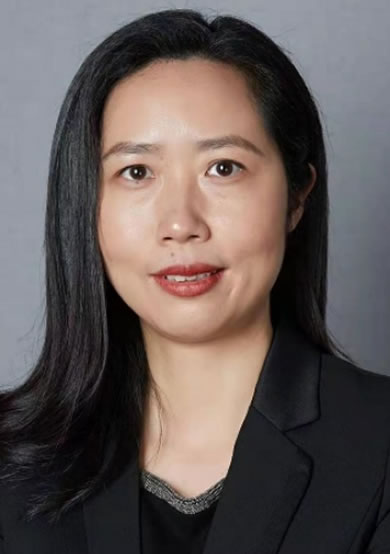
Xiaohua Liu, Sichuan University, PR China
Title: Asymmetric multicomponent reaction catalyzed by chiral metal complexes
Abstract: Asymmetric multicomponent reactions demonstrate an efficient access to complex chiral molecules from simple materials. This one pot strategy features simple operation, step economy, and environmental friendliness, which has been widely applied in modular synthesis and drug discovery. Nevertheless, this approach faces competition from two-component reactions and challenges in stereocontrol over highly reactive intermediates. In the past few years, our group developed several asymmetric multicomponent reactions mediated by chiral metal complexes, including copper(I)-catalyzed asymmetric C–H insertion/1,3-copper shift/nucleophilic addition for synthesis of chiral tetrasubstituted allenoates, asymmetric azide-alkyne cycloaddition/[2+2] cascade reaction for synthesis of chiral spiroazetidinimine oxindoles, asymmetric hydrocyanation/Michael reaction for synthesis of chiral cyanide-containing pyrrolidine-2,5-diones, asymmetric photoinduced asymmetric cyanoalkylalkynylation for synthesis of chiral alkyne-bearing nitriles, iron(II) or ytterbium(III)-catalyzed enantioselective difunctionalization of a,b-unsaturated carbonyl compounds, such as haloazidation, carboazidation, diazidation, and anti-dihalogenation, enabling synthesis of chiral azides and dihaloalkanes, as well as organocatalyst/palladium(0) synergistically catalyzed 1,4-addition/arylation tandem reaction for synthesis of chiral tetrasubstituted
Biography: Xiaohua Liu received her B.S. degree from Hubei Normal University in 2000 and M.S. degree and Ph.D. from Sichuan University in 2003 and 2006 sequentially. She joined the faculty of Prof. Feng’s group at Sichuan University, where she was promoted to professor in 2010. Her current research interests include chiral catalyst design and novel asymmetric catalysis, bioactive molecule synthesis, and reaction mechanisms. She has developed a new type of chiral guanidine-amide compounds, which can serve as organocatalysts and chiral ligands for transition metal catalysis. To date, she has published over 180 papers and received many awards and honors, including the Young Female Scientist Award of China, the Chinese Chemical Society and Royal Society of Chemistry Young Chemistry Prize, the State Natural Science Award of China (Second class) and so on.